Table of Contents
Pain is a complicated process that varies from person to person. The five phases of despair denial, temper, bargaining, depression, and acceptance are a practical structure for thinking of grief, but it does not suggest we'll go with every phase. We can experience these elements of despair at different times, and they do not take place in one particular order.

This site uses cookies to help personalise web content, tailor your experience and to maintain you logged in if you sign up. By remaining to utilize this site, you are consenting to our use of cookies.
The seven phases of grief are a layout for how a person might regret. This intermittent structure is implied to aid you much better understand your feelings and is not intended to recommend just how you should regret, what you need to be feeling, or in which order. Everyone regrets differently. Each stage may reoccur or overlap the others.
If you wish to discover more about your specific mourning process, it's a great concept to connect to a relied on mental health specialist to understand on your own better and develop suitable coping approaches. Find out more regarding the 7 phases of grief. Despair can be a difficult and unpleasant process. When a loss happens, among the very first things you might experience is shock.
Post-Traumatic Growth: Success Post Integrative Therapy
That's because no person can ever be absolutely planned for a loss so considerable. When you are in shock after a loss, you might act generally or as if nothing has happened. A lot of the time, this is because your body has not processed the loss yet. You may really feel like the situation hasn't "sunk in" simply.
These feelings and experiences are self-protective devices that act as a buffer to make sure that you are not bewildered at one time. Due to the fact that the fatality of a loved one can have such a considerable effect on you, you might experience denial. During this stage of grief, it is simply too tough for your brain to understand that your member of the family, good friend, or various other loved one is gone.
As you slowly begin to approve the loss and what it means for your life currently, your rejection will begin to reduce. You may have a more comprehensive array of sensations and emotions when rejection disappears. Until after that, you might have durations when you really feel troubled, which can be set off by suggestions of your loved one.

In some situations, it's a typical sensation to intend to stay clear of others to make sure that you do not have to recognize or discuss your loss. Sometimes, you feel absent-minded, get conveniently distracted, or procrastinate throughout this stage of pain. You might also try to remain active constantly or closed down psychologically.
Creating Inner Safety in Therapy for High-Achievers in San Francisco
In specific situations, you can likewise feel mad with the health care suppliers, your friends, family participants, God, or any kind of various other spiritual being(s) you rely on. Under all that rage is your discomfort. While it may be uncomfortable to handle, it gives much more framework to your grieving than staying numb.
Throughout this stage, individuals commonly really feel helpless and hopeless and ask themselves "what happens if" inquiries. You might feel guilty for refraining even more to keep the loss from happening or for not investing even more time with the individual you lost. During the negotiating stage, it's common to ask yourself or state, "I should have done this ..." or "If I had just done that ..." While these kinds of uncertainties are normal, they are not where you want your idea procedure to stay.
Personal Limits for Therapists After Trauma Healing in San Francisco
It may also be useful to do something details, like compose a letter to your enjoyed one or talk to them out loud. When you come to terms with the reality of the loss, a much deeper degree of despair may start to slip in.
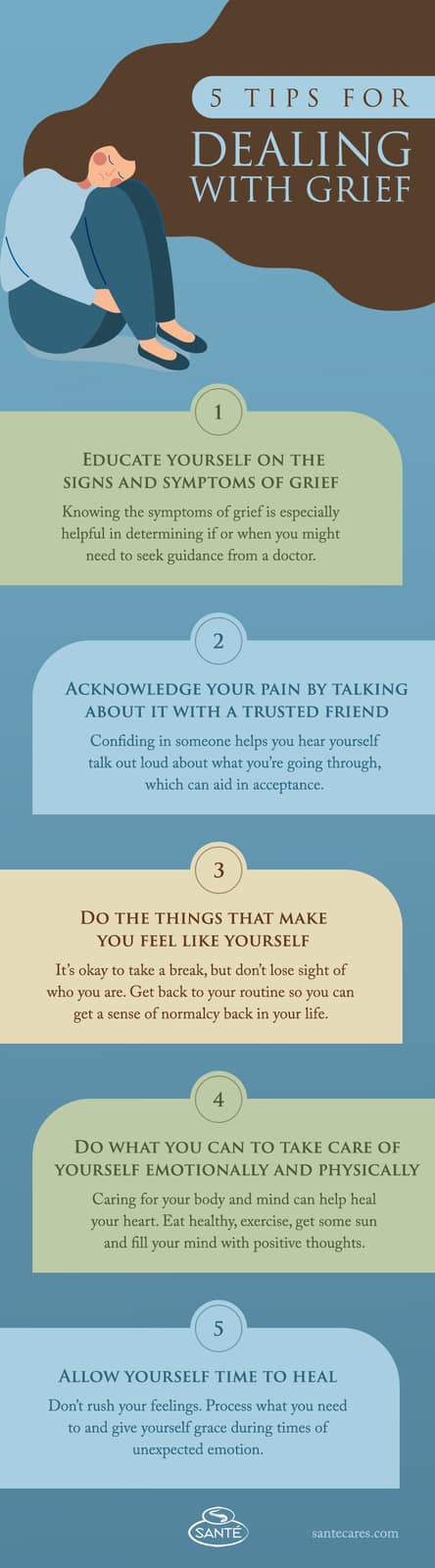
You can additionally visit for a checklist of additional sources or call the number below to reach Chemical abuse and Mental Health Solutions Administration (SAMHSA) hotline. The testing phase of the mourning process frequently includes experimenting with various things that help you move onward. In this stage, you are beginning to build your brand-new regular in addition to refining your sensations and feelings produced by the loss.
Getting to the approval stage does not imply you are OK with what happened. Rather, this part of the grieving procedure is more about approving what your life resembles now. You will certainly still need to listen to your feelings and change, yet you will begin to really feel even more wholeeven if it looks various than it did before.

Table of Contents
Latest Posts
Necessity of Safety and Trust when Delivering Mental Health Care for Optimal Outcomes
Community Treatment for Disordered Eating & OCD Treatment
Choosing Appropriate Support Provider for Your Family
Navigation
Latest Posts
Necessity of Safety and Trust when Delivering Mental Health Care for Optimal Outcomes
Community Treatment for Disordered Eating & OCD Treatment
Choosing Appropriate Support Provider for Your Family