Table of Contents
Openly interact with your therapist concerning any issues or changes in your mental wellness, and with each other, you can determine one of the most ideal strategy. Open and honest communication with your specialist is essential when discussing the frequency of the sessions. Below are some ideas on exactly how to effectively interact your requirements and concerns: Take some time to assess your therapy experiences and how the present frequency is impacting your development and health and whether you require.
Take these recommendations right into consideration and go over any kind of bookings or issues you may have. Bear in mind, your specialist exists to support you in your mental wellness trip. By preserving open and clear interaction, you can collaborate to locate the frequency that ideal supports your development and health.
It's necessary to acknowledge that the frequency of sessions can be adjusted based on the customer's requirements and progress. If you're dealing with anxiety and discover that you desire a lot more support, it's totally sensible to reveal your need to see your therapist regularly. Boldly stating, "I wish to see my specialist more frequently," during a session can unlock to talking about potential modifications in session frequency.
Targeted Strategies for Distinctive Unique Journey
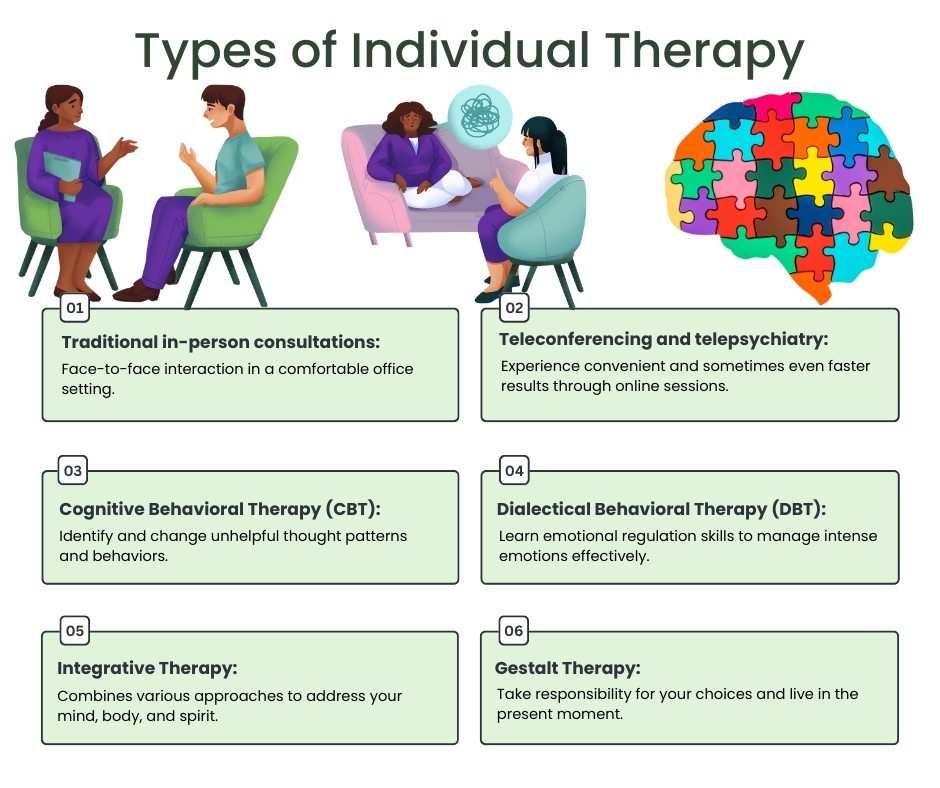
In some cases, clients with much more extreme clinical depression or that often have ideas of suicide or self-harm may profit from DBT. When you're getting involved in DBT you typically will have a regular private therapy session, an once a week 2 hour group abilities training session and some coaching calls with your specialist. So, that's a larger time dedication yet is an extremely efficient means to deal with clinical depression.
We are committed to providing the level of treatment that finest supports your trip toward improved mental health and wellness and well-being. Treatment frequency is an essential facet of mental wellness treatment, and it's important to locate the right equilibrium that matches your distinct needs. While treatment every two weeks can be suitable for some individuals, it might not offer the needed assistance and progress for others.
It's essential to bear in mind that therapy is not one-size-fits-all, and the ideal regularity of sessions can vary substantially from individual to individual. For some, therapy every two weeks might be sufficient, particularly when they are in a steady stage of their therapy trip. This regularity permits even more prolonged periods of self-reflection and practice of the skills discovered in therapy.
Valuing in Your Future

During this moment, the regularity of sessions may need to be adjusted based on your progression and developing requirements. Sometimes, treatment when a week isn't adequate to deal with complex mental health problems or serious signs. Individuals dealing with trauma or serious stress and anxiety might profit from more regular sessions to ensure consistent assistance and symptom management.
Don't think twice to reach out and have an open conversation with us about your therapy regularity. With each other, we can determine the very best approach to sustain your psychological health and wellness and wellness successfully. Take that initial step toward a brighter future by contacting us today. Call Aspire Counseling or reach out online to start with a cost-free examination.
At Aspire Therapy, we're here to lead you every action of the method.
How Expert Codependency Therapy Enables Growth
Treatment frequency isn't one-size-fits-all. How often you must go to therapy relies on your personal objectives, psychological health problem, and the kind of therapy session you're attending. Lots of people start with regular therapy sessions, yet over time, that cadence can shift. Whether you're looking for assistance for anxiousness, depression signs and symptoms, injury, or connection issues, the appropriate session frequency plays a crucial function in your therapy journey.

When you're resolving a serious mental disease, discovering psychological policy abilities, or resolving significant life changes, regular visits develop framework and momentum. As your signs and symptoms stabilize or goals change, you could shift to bi-weekly sessions or even a month-to-month session. These less constant check-ins can still provide responsibility and area for representation, particularly when therapy belongs to a wider self-care or health care routine.
Treatment is most reliable when it corresponds. The speed of your sessions directly affects exactly how promptly and deeply you can refine your emotions, develop understanding, and make behavior adjustments. Weekly treatment sessions, in particular, allow for real-time reflection, aiding you react to obstacles as they develop. Uneven or infrequent sessionsespecially very early oncan make it hard to build momentum or apply tools in between.
Bi-weekly sessions provide more adaptability and are frequently made use of after preliminary progression has been made. This frequency might appropriate for people who are in an extra stable location or are handling moderate signs and symptoms. That stated, the extensive void in between sessions might restrict possibilities for real-time assistance and reduce down the speed of adjustment.
Genuine Freedom is Achievable
This is commonly the instance for people taking care of serious clinical depression, facility trauma, or overwhelming life shifts. In these situations, frequent sessions use a stabilizing force, developing area for security, processing, and psychological policy. It's worth noting that this is not an exhaustive checklist. Some people also attend therapy more often if they are undergoing partnership has a hard time or if they are taken part in couples and family treatment as well as private therapy.
Couples treatment may additionally require an extra frequent cadence throughout times of crisis or conflict to restore trust fund and communication. A regular monthly session can be reliable for those in maintenance modepeople who have actually completed the extra intensive part of their therapy journey and now look for periodic check-ins to stay grounded.
The best way to figure out the right speed is through an open discussion with your therapist. They'll assist analyze your objectives, development, and needsand recommend an appropriate routine. Therapy frequency should progress with you. Numerous individuals begin with once a week treatment sessions to establish rapport and momentum. Over time, as coping methods come to be second nature and challenges are dealt with, you may transfer to bi-weekly sessions or regular monthly maintenance sessions.

Navigation
Latest Posts
Locating an Experienced Dynamic Therapist in Your Area
Questions to Ask Your Therapist in Roseville, CA
Recognizing Trauma That May Require EMDR therapy